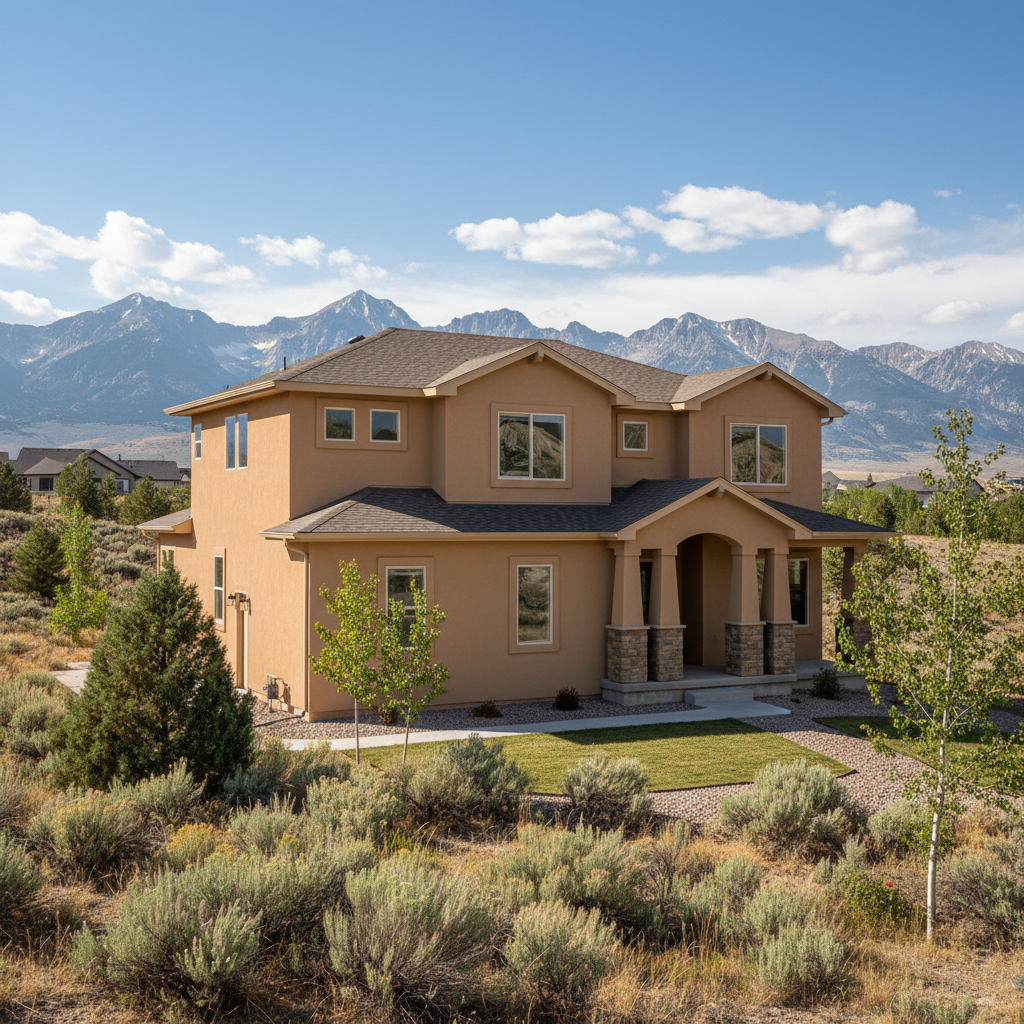
Alright, you need stucco work done on your Provo home. Maybe it's a repair, maybe it's a whole new exterior. Whatever the job, you want it done right, and you don't want to get ripped off. I've been in this business a long time, and I've seen a lot of good work and, frankly, a lot of shoddy stuff. So, let's talk about how you find the right stucco contractor.
Questions to Ask Every Stucco Contractor
When someone comes to give you a bid, don't be shy. You're hiring them for a significant investment in your home. Ask these questions:
- How long have you been doing stucco specifically? There's a big difference between a general contractor who sometimes does stucco and a dedicated stucco professional. You want the latter.
- Can you provide recent references? And I mean recent. Not from five years ago. Call them. Ask about communication, timeline, quality, and if they'd hire them again.
- What's your process for water management? This is huge, especially with our freeze-thaw cycles here in Utah Valley. Proper flashing, weep screeds, and drainage planes are critical. If they gloss over this, that's a red flag.
- What kind of stucco system are you proposing? Is it traditional three-coat, synthetic (EIFS), or a one-coat system? Each has its place, but you need to know what you're getting and why they recommend it for your home.
- Who will be doing the work? Your employees or subcontractors? If it's subs, ask how they vet them and if they're insured.
- What's your warranty? Get it in writing. Know what it covers and for how long.
What to Look for in a Quote
A good quote isn't just a number. It's detailed. Here's what you should expect to see:
- Clear Scope of Work: It should explicitly state what's included. Surface preparation, type of lath, number of coats, finish texture, color, flashing details, trim work, cleanup. Everything.
- Materials Specified: What brand of stucco? What type of lath? What kind of trim? Specifics matter.
- Payment Schedule: A reasonable down payment (usually 10-20%) is typical, with progress payments tied to completed stages of work. Be wary of anyone asking for 50% or more upfront.
- Timeline: A projected start and completion date. We know things happen with weather, but they should have a plan.
- Insurance and Licensing Details: Should be clearly stated or attached. We'll get to that next.
- Exclusions: What's NOT included? Maybe painting adjacent trim, or extensive landscaping repair. Knowing this upfront prevents surprises.
Compare bids line by line. If one quote is significantly lower than the others, find out why. They might be cutting corners on materials, labor, or simply not including something important.
Red Flags You Can't Ignore
Listen to your gut, but also look out for these specific warning signs:
- No contract or a very vague one. If it's not in writing, it doesn't exist.
- High-pressure sales tactics.