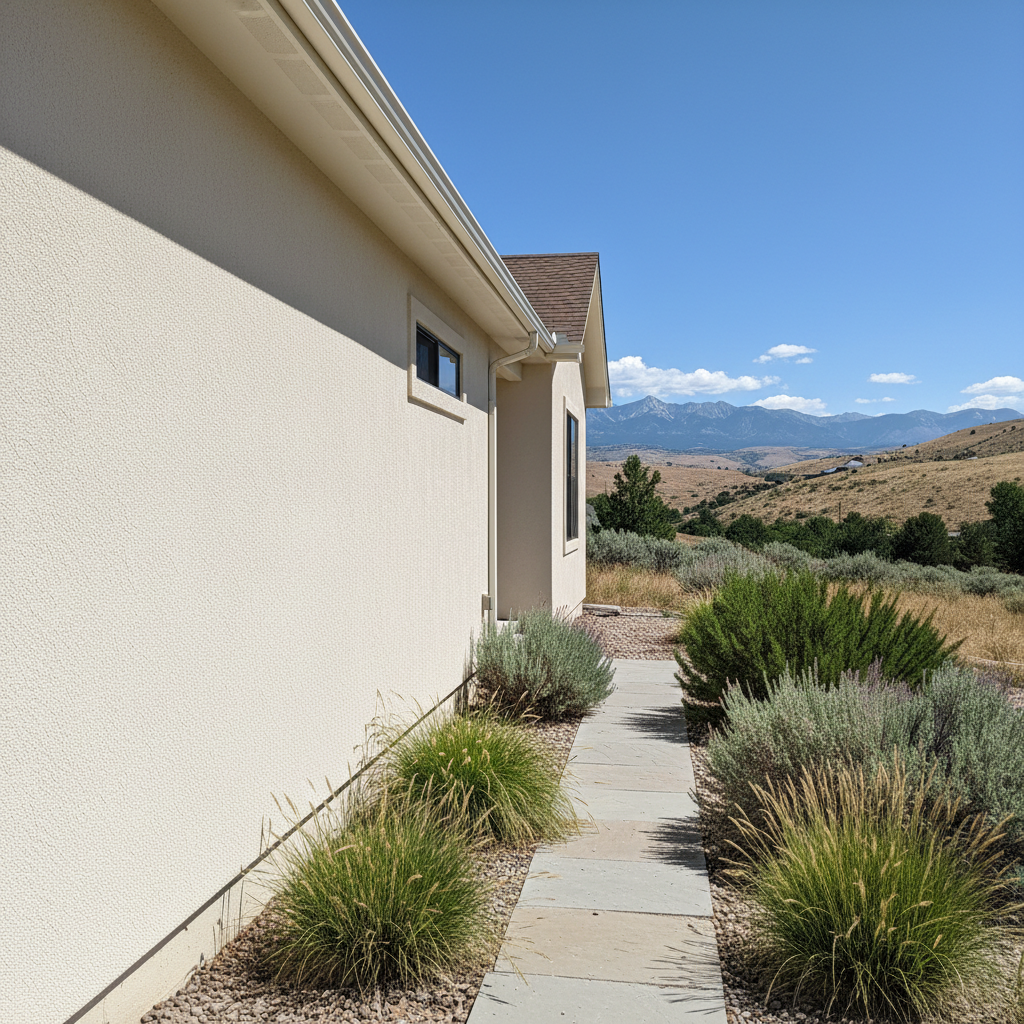
You probably picked stucco for a good reason: it's tough, looks sharp, and if it's installed right, it can truly last a lifetime. But "last a lifetime" doesn't mean you can just forget about it. Think of it like your car needing oil changes; your stucco also needs a little TLC to stay in great shape, especially with our wild Provo weather.
I've been around this business for ages, and I've seen firsthand what happens when people ignore their stucco. Usually, a small issue balloons into a big, expensive mess. So, let's chat about how to steer clear of that.
Want Your Stucco to Last Longer? Here Are Some Simple Habits
Being proactive is the best way to extend your stucco's life. Honestly, it's not rocket science, just good old common sense.
- Keep it Clean: Dirt, dust, even pollen can pile up. A gentle wash with a garden hose and a soft brush once a year really does wonders. Or, if you're careful, a low-pressure power washer works too—just be super gentle. You're not stripping paint, you're just rinsing off the grime. For those stubborn spots, a mix of mild detergent and water usually does the trick.
- Handle Water Smartly: This is a big one, especially here in Utah where we get everything from bone-dry heat to heavy snowmelt. Make sure your gutters are clean and doing their job, sending water away from your foundation. Check your downspouts; if they're just dumping water right onto your stucco, you're asking for trouble. Extend them, or maybe reroute them. Oh, and double-check that your sprinkler heads aren't constantly drenching the side of your house. Constant moisture is stucco's archenemy.
- Trim Your Landscaping: Don't let bushes, trees, or vines grow right up against your stucco. They hold moisture, block sunlight (which helps the stucco dry out), and over time, they can even cause physical damage. Give your house some breathing room, you know?
- Seal Up Those Gaps: Take a look around your windows, doors, and any spots where things poke through, like dryer vents or utility lines. The caulk or sealant there won't last forever. If it's cracked, shrunken, or just plain gone, water will absolutely find its way in. Re-caulk with a good quality exterior sealant. This small task can prevent some really big headaches.
What Does Regular Maintenance Actually Look Like?
Picture it as an annual check-up for your home, ideally in the spring, after the snow melts and before the summer heat really kicks in. Just walk around your house and give everything a good once-over, from top to bottom.
- Visual Check: Look for cracks, any weird discoloration, or areas that just seem off. Pay extra close attention to corners, around openings, and near the foundation.
- Water Management Check: Are the gutters clear? Are downspouts directing water away? Do you see any water stains on the stucco below windows or near the ground?
- Landscaping Review: Is anything touching the stucco that shouldn't be?
- Sealant Check: Go around all windows, doors, and penetrations. Really scrutinize that caulk.
This whole process shouldn't take more than an hour or two, and honestly, it could save you thousands of dollars down the road.
Warning Signs You Absolutely Can't Ignore
These are your red flags, the things that scream a problem is either brewing or already here. If you spot any of these, don't delay calling someone.
- Cracks: Tiny hairline cracks are often just cosmetic, but bigger ones—spiderweb patterns, or cracks that look like stair-steps—can point to structural issues or a serious water leak. If you can fit a dime in it, it's probably more than just surface deep.
- Stains or Discoloration: Dark streaks, especially below windows or near the ground, usually mean water is getting in and running down behind the stucco. Mold or mildew growing on the surface also tells you there's persistent moisture.
- Bulging or Soft Spots: If you press on the stucco and it feels soft, spongy, or bulges out, that's a serious sign of water damage and likely wood rot underneath. This needs immediate attention, no question.
- Efflorescence: This is that white, powdery stuff you sometimes see. It's mineral salts left behind when water evaporates from the stucco. It means water is moving through the wall, and that's definitely not good.
- Separation: If the stucco is pulling away from window frames, door frames, or the foundation, those are wide-open invitations for water.
Our unique climate here in Provo, with its freeze-thaw cycles in winter and intense summer sun, really puts stucco to the test. Those temperature swings can make tiny cracks bigger, turning them into wider paths for moisture. And when that moisture freezes, it expands, pushing things apart. That's why being so vigilant is super important.
When It's Time to Call a Pro
Look, you can handle the cleaning and those basic visual checks. You can probably even re-caulk some spots. But there are definitely times when you absolutely need to bring in someone who knows their stuff.
- Any significant cracking: If you're unsure about a crack, get it checked out. Better safe than sorry, right?
- Water stains or efflorescence that just won't go away: This means there's an ongoing water intrusion issue that needs to be properly diagnosed and fixed.
- Bulging or soft spots: This is a structural problem and requires professional repair. Don't even try to patch over it yourself.
- Repeated problems in the same area: If you're constantly battling mold or cracking in the same spot, there's an underlying issue that needs an expert eye.
- You're just not comfortable: If you see something and you're not sure what it is or how to fix it, give us a call. That's what Charis Stucco Company is here for. We'd much rather you call us for a quick look than wait until it's a full-blown renovation.
Don't let small stucco issues snowball into major headaches. A little bit of attention now can save you a ton of money and stress later. Your home's exterior is its first line of defense, so keep it strong.