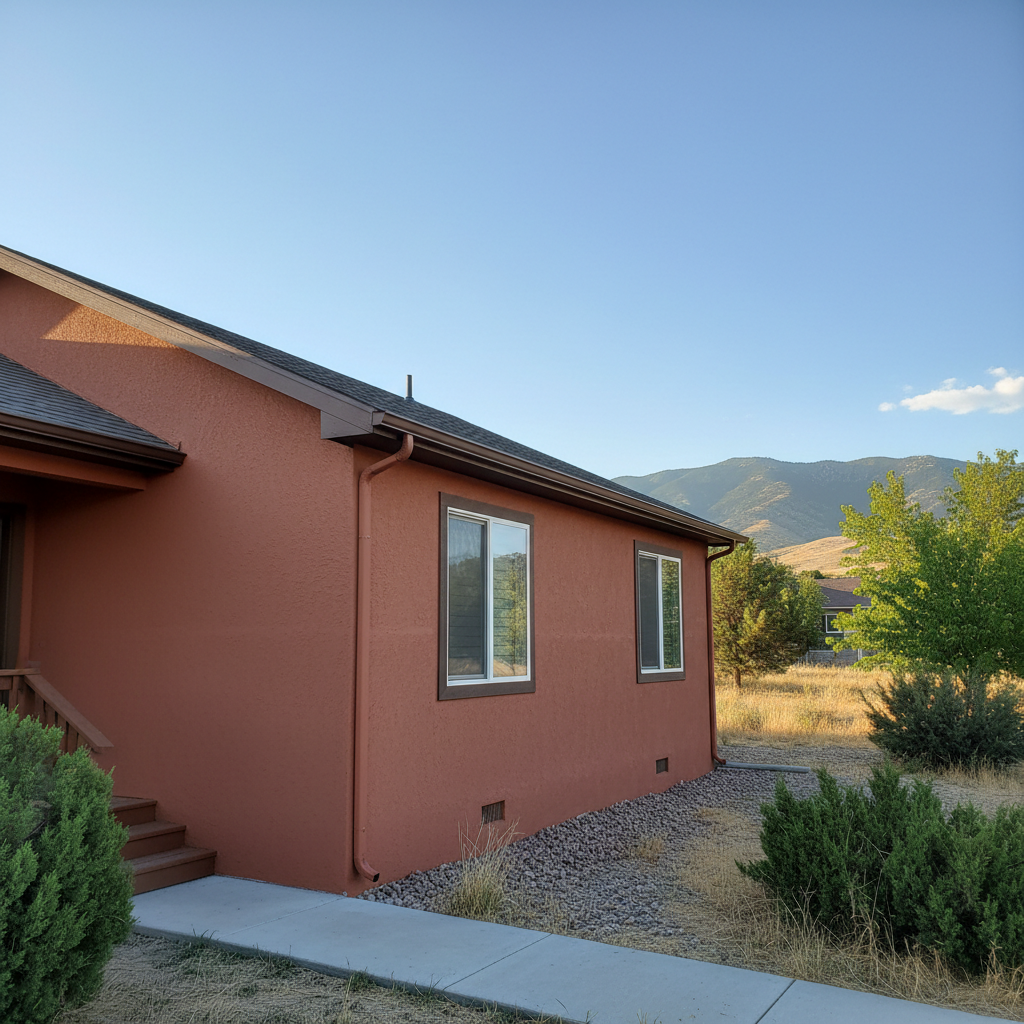
You're thinking about giving your home a fresh look, maybe fixing some cracks, or just updating that tired stucco. A redashing project can totally transform your place, no doubt about it. But, I've seen too many folks right here in Provo make some pretty avoidable mistakes that end up costing them time, money, and a whole lot of frustration. So, let's talk about what you really need to know before you even pick up the phone.
Ignoring the 'Why' Behind the Redash
This is a big one. A lot of homeowners just see a crack or some discoloration and think, "Time for a redash!" But if you don't figure out why that crack is there, or why the stucco is failing in the first place, you're just putting a band-aid on a bigger problem. Is it water getting in? Is the foundation settling? Was the original installation just plain bad? If you redash over a hidden water issue, you're only trapping moisture inside. That leads to rot, mold, and an even bigger, more expensive repair down the line. You need a contractor who's going to investigate, not just quote you for a new layer. They should be looking at flashing, weep screeds, and the overall integrity of your existing system, especially on older homes in areas like the Joaquin neighborhood where some original stucco jobs weren't always up to today's standards.
Choosing the Cheapest Bid, Blindly
I get it, everyone wants a good deal. Who doesn't? But when it comes to stucco, the cheapest bid is often the most expensive in the long run. I've seen countless homeowners regret going with the lowest price because the work was shoddy, corners were cut, or the contractor disappeared halfway through the job. You're not just buying stucco; you're buying expertise, proper preparation, and a guarantee. Ask yourself why one bid is significantly lower than others. Are they using inferior materials? Are they skipping crucial steps like proper surface prep or applying the right number of coats? A good contractor will explain their process, not just hand you a number.
Not Checking References or Licenses
This seems obvious, right? But you'd be surprised how many people skip this step. Anyone can say they're a stucco expert. But are they licensed and insured? If they're not, and someone gets hurt on your property or they damage your home, you could be on the hook. Ask for proof of insurance and their contractor's license number. Call their references. Don't just look at pretty pictures on a website; talk to people who've actually had work done by them. Ask about communication, timeliness, and how they handled any unexpected issues. A reputable company like Charis Stucco Company will be happy to provide this information, believe me.
Underestimating the Importance of Proper Prep
The success of any redashing project really hinges on what happens before the new stucco even goes on. If the old surface isn't properly cleaned, repaired, and primed, the new stucco won't stick correctly. This can lead to cracking, delamination, and a much shorter lifespan for your new finish. I've seen contractors try to rush this part, especially when the weather starts to turn in the fall and everyone's trying to squeeze in one last job before the snow flies. Don't let them. Proper preparation takes time, and it's non-negotiable.
Ignoring Weather Conditions
Stucco isn't something you can just slap on in any weather. Extreme heat, freezing temperatures, or heavy rain can all mess with the curing process. Applying stucco when it's too hot can cause it to dry too quickly, leading to cracks. Applying it when it's too cold can prevent it from curing properly, making it weak and prone to failure. Here in Provo, we get all four seasons, sometimes in the same week! A good contractor knows the ideal conditions for stucco application and will schedule the work accordingly, even if it means waiting a few days for the weather to cooperate. Don't let anyone convince you it's fine to work in conditions that aren't suitable.
Not Getting Everything in Writing
Verbal agreements are worth the paper they're printed on – nothing. Get a detailed contract that outlines everything: the scope of work, materials to be used, payment schedule, timeline, warranty information, and what happens if unforeseen issues arise. This protects both you and the contractor. If something goes wrong, you have a clear document to refer to. Without it, you're relying on memory and goodwill, which often isn't enough when there's a dispute.
Redashing your home is a big investment. Don't make these common mistakes. Do your homework, ask the tough questions, and choose a contractor who prioritizes quality and honesty. You'll be glad you did when your home looks fantastic and stands up to the elements for years to come.